

By Michael Reyes
A city seeing its own unrest
Every morning I drive through parts of Phoenix where things don’t feel right. Not because of crime rates or statistics, but because of people—neighbors—sitting on sidewalks, leaning against walls, weathered by the desert sun, invisible to many of us. Their stories are not new, but our awareness of them should be.
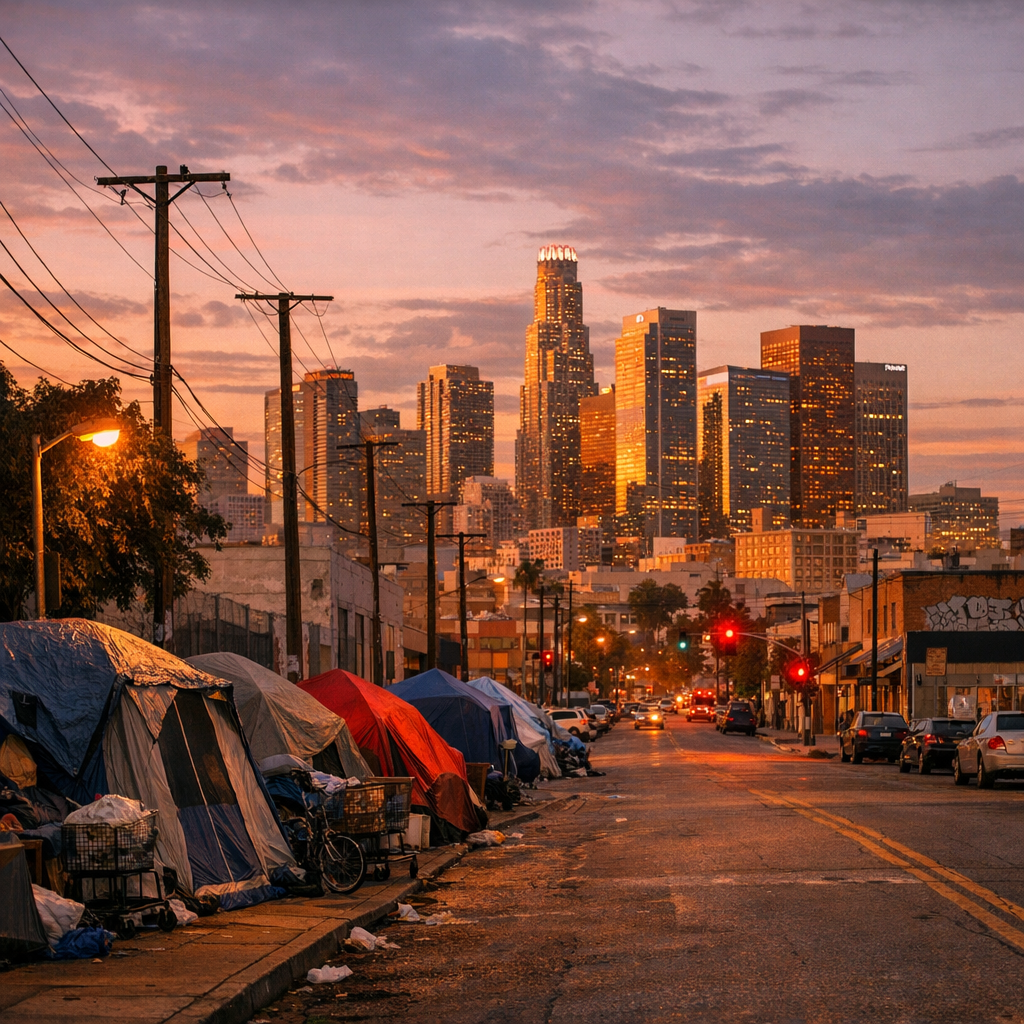
When the city cleared out “The Zone” downtown, headlines celebrated promises of change and revitalization. But months later, I see similar scenes just a few blocks over. A tent here, a blanket there, people waiting for services that are still just out of reach. Under the Phoenix sun, the discomfort is literal—and symbolic of a homelessness crisis that persists beyond headlines and city ordinances.
Where accountability gets blurry
I once attended a community meeting where a city planner spoke of transparency, of making things better. But I left disappointed. Only bits of data were shared. No milestones, no clear paths—just a lot of vague future tense. And when it comes to entities like the Phoenix Police Department and the Office of Accountability and Transparency, these structures exist—important structures—but too often, they feel reactive rather than proactive.
We have forums that allow us to call out perceived abuses, portals for complaints about immigration enforcement or policing. But when results are delayed, when outcomes aren’t communicated, when voices aren’t acknowledged—we lose faith. And in communities already stretched thin, losing faith can feel like losing the last thread holding people together.
Stories in the margins
In a West Phoenix neighborhood, a small diner owner shares how missed bills and thank-you notes pile up because the mail doesn’t arrive. Official statements from the U.S. Postal Service promise investigations, regular deliveries—but residents still wait. The result? Isolation, frustration, a sense that the systems in place don’t see them.
Meanwhile, new shelters open with fanfare, but many people experiencing homelessness say they still don’t feel safe in them. Others refuse tent‐housing because of security fears or restrictive rules. So they stay tentside, unseen, naming places like sidewalks and utility areas home.
Turning concern into community care
We need more than programs. We need trust. That means actual follow-through. When community surveys show that homelessness ranks among residents’ top concerns, we need concrete, measurable steps, shared openly. When transparency initiatives are launched, we need regular reports, public input, yes—but also meaningful change.
I believe neighborhoods are doing this work. Residents rallying to clean‐up encampments, neighbors organizing to bring services closer, small nonprofits stepping in to provide bathrooms, showers, care where public systems have gaps. These acts are ordinary in many places, heroic here.
A call for persistent compassion
Phoenix is growing. It’s resilient. But growth without justice is hollow. We deserve a city where accountability isn’t delayed, where voices aren’t filtered out, where seeing people means helping them stand up—not expecting them to disappear.
If you stop driving after dark down Indian School or Gila Bend Road, you may see people sleeping outside city services. Ask yourself: how did they get there? How many times have they called for help? And when help didn’t come through, what broke inside them?
Let’s demand more than optics. Let’s insist on dignity. For all of us.