

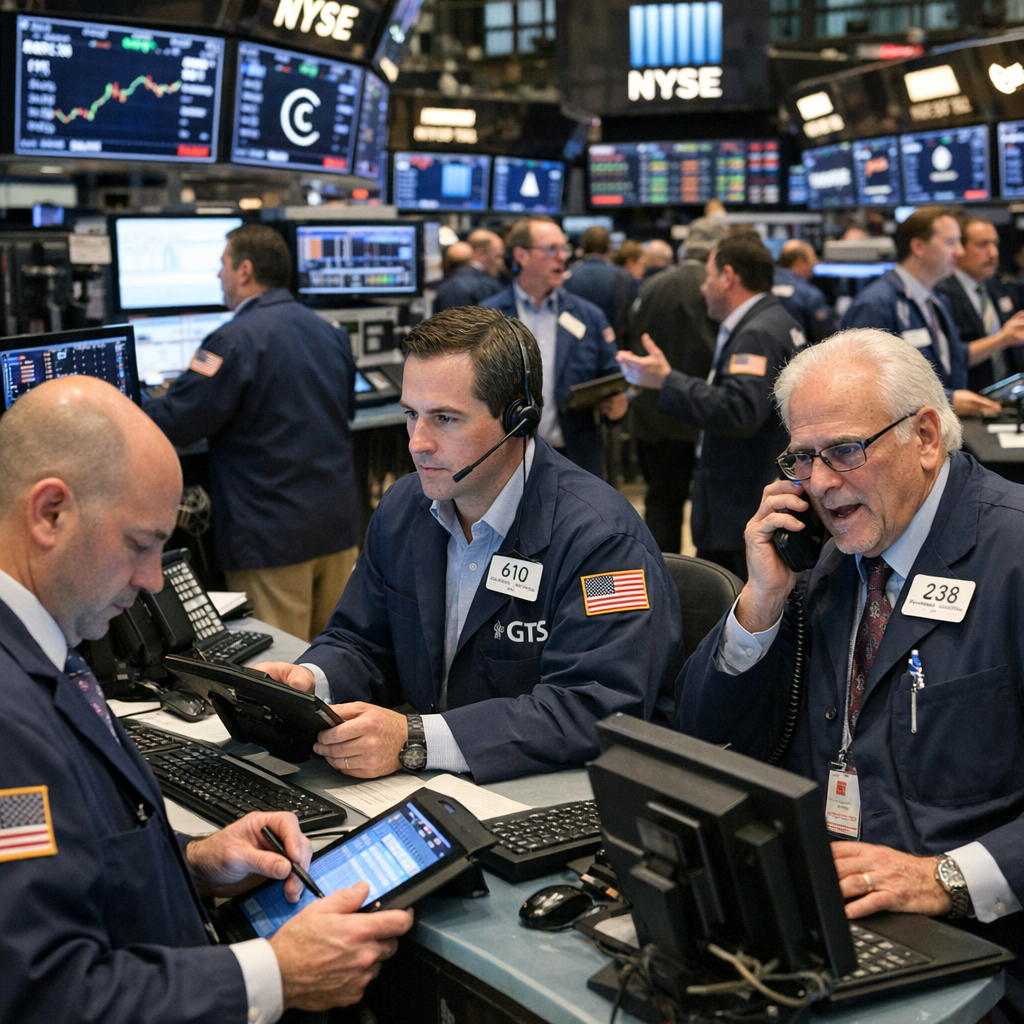
The U.S. economy is currently experiencing a complex interplay of factors affecting growth, inflation, and employment. Understanding these elements is crucial for both policymakers and the public.
Economic Growth and Inflation
Recent data indicates that while the economy continues to expand, the pace has moderated. The International Monetary Fund projects global growth to slow to 3.1% in 2026, with inflation expected to rise to 4.4% before declining in 2027. This slowdown is largely attributed to ongoing geopolitical tensions, particularly in the Middle East, which have disrupted energy markets and trade routes. Emerging markets and developing economies, especially those reliant on commodity imports, are facing significant challenges due to these disruptions.
Employment Trends
The labor market shows signs of stagnation. Although the economy added 115,000 jobs in April, the pace of job creation has slowed compared to previous months. This deceleration raises concerns about the sustainability of employment growth and its implications for consumer spending and overall economic health.
Inflationary Pressures
Inflation remains a pressing issue, with rates climbing to 3.8% in April. Factors contributing to this rise include increased energy prices due to geopolitical conflicts and supply chain disruptions. Notably, wage growth has not kept pace with inflation, leading to a decrease in real purchasing power for many Americans. This situation has resulted in increased reliance on credit and a decline in consumer sentiment.
Policy Responses
In response to these economic challenges, the Federal Reserve has implemented measures aimed at stabilizing inflation and supporting growth. Additionally, the administration has emphasized policies such as tax cuts, deregulation, and energy independence to bolster the economy. However, the effectiveness of these strategies remains a topic of debate among economists and policymakers.
Conclusion
The current economic landscape presents a mix of challenges and opportunities. While growth continues, the slowing pace, coupled with rising inflation and employment concerns, underscores the need for careful policy consideration and proactive measures to ensure sustained economic stability.